Views: 0 Author: Site Editor Publish Time: 2026-08-09 Origin: Site


Neck stiffness after desk work, travel, exercise, or an awkward sleeping position often makes heat feel like the fastest route to comfort. However, frequency depends on whether you are using a conventional electric pad or a long-wear neck heat patch. A standard pad is generally used in short, repeated sessions, while an air-activated patch may provide warmth for several hours. Knowing the difference helps you avoid excessive exposure, protect your skin, and use heat as temporary support rather than a substitute for addressing persistent neck pain.
For a conventional heating pad, a useful general schedule is 15 to 20 minutes on a low or medium setting, followed by enough time for the skin to return to its normal temperature. The session can be repeated every two to three hours when necessary. Other clinical guidance describes 20-minute applications two or three times per day, so the exact frequency can reflect symptom intensity and personal comfort. More heat is not automatically more effective, and increasing the temperature to shorten a session raises the risk of skin irritation or burns.
A practical starting point for ordinary muscular tightness is one session in the morning, another after prolonged desk work or travel, and a final session before evening stretching. Users of Neck Heat Patches should instead follow the stated wear duration for the specific product because these patches release heat gradually. Do not place a neck heat patch beneath an electric pad or combine it with a hot water bottle, since overlapping heat sources make temperature harder to control. Remove the product early if warmth becomes uncomfortable rather than waiting for the advertised heating period to end.
Frequency should also depend on how your neck responds after each session. Mild temporary redness may occur with warmth, but persistent redness, itching, stinging, numbness, or increasing pain means the heat source should be removed. Let the skin cool completely before deciding whether another session is appropriate. If you repeatedly need heat throughout the day for several days, consider whether your workstation, pillow, exercise technique, or another unresolved cause is continually aggravating the area.
A heating pad and a neck heat patch should not be timed in the same way. Electric pads can maintain a selected temperature continuously, which is why short, supervised sessions are commonly recommended. Disposable patches generally warm through an air-activated reaction and release heat over a longer period. Their gradual output can suit office work or travel, but the longer duration makes correct placement and regular skin checks especially important.
Heat Format | Typical Use Pattern | Main Precaution |
|---|---|---|
Electric heating pad | 15–20 minutes per session | Use low or medium heat and stay awake |
Warm compress | About 20 minutes | Use a protective cloth and check temperature |
Disposable neck heat patch | Follow the stated wear duration | Check the skin and do not add another heat source |
The verified specifications for Meilan’s Long-Lasting Neck Patch list disposable, air-activated configurations with different temperature ranges and heating periods of 6–8, 8, or 10 hours. That does not mean every neck heat patch should automatically remain in place for the maximum period. Heat tolerance varies with placement, clothing, movement, room temperature, and individual skin sensitivity. Product instructions should therefore determine the maximum wear time, while comfort and skin condition determine whether it should be removed sooner.
An Air-Activated Neck Warmer begins heating after its sealed package is opened and the contents contact air. The verified product page describes a curved six-grid design and lists several available heat-duration configurations. Open the package only when you are ready to use the patch, apply it according to its placement instructions, and avoid folding or modifying it unless the design specifically permits adjustment. Long-lasting warmth should feel steady and comfortable, not progressively hot or difficult to tolerate.
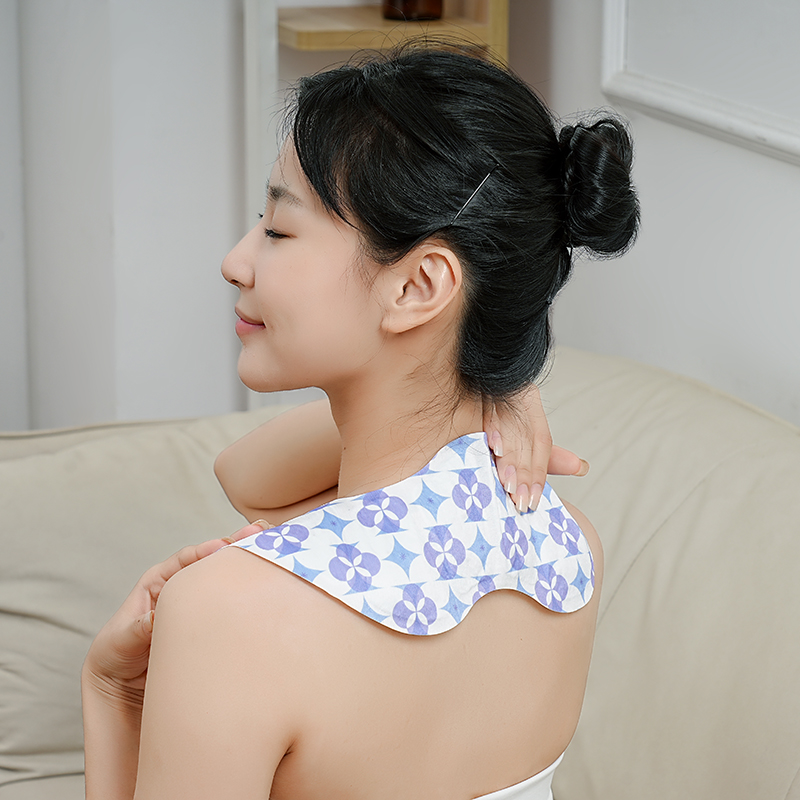
Heat is generally most useful when the main problem feels like stiffness, tight muscles, or a dull ache associated with posture, stress, or staying in one position. Warmth can help muscles relax and may make gentle movement feel easier. A neck heat patch can therefore be useful before mobility exercises or after a long period at a computer. The relief is usually temporary, so improvement during heating does not necessarily mean the underlying cause has resolved.
Cold may be more appropriate immediately after a new strain, impact, or activity that causes obvious swelling. Guidance for soft-tissue injuries commonly favors cold during the first 24 to 48 hours and gentle heat after the initial inflammatory period has passed. However, neck symptoms are not always straightforward, and personal comfort also matters when there is no significant injury or swelling. Do not keep switching rapidly between extreme temperatures; space the applications and allow the skin to return to normal between them.
A neck heat patch is not the right response to every painful neck. Seek prompt medical advice for new or worsening arm or leg weakness, spreading numbness, loss of bladder or bowel control, or severe symptoms following an accident. Pins and needles, a cold arm, worsening pain, or symptoms that fail to improve also warrant professional assessment. Heat may mask discomfort briefly without addressing nerve compression, injury, or another condition requiring diagnosis.
Heat should also be avoided over an open wound or an area with abnormal circulation or reduced ability to sense temperature. People who cannot reliably judge whether the skin is becoming too hot should obtain clinical guidance before applying prolonged heat. These precautions matter even more with a long-wear neck heat patch because exposure continues while the wearer works, travels, or performs other activities. Gentle warmth is sufficient; treatment does not need to feel intensely hot to be useful.
Begin with clean, dry skin or clothing, depending on the instructions for the particular patch. A contoured Shoulder Neck Heat Pad is shaped to spread warmth across the upper shoulder and lower neck rather than concentrating it at one small point. Positioning matters because wrinkles, tight straps, backpack pressure, or a high chair back can press the heated area more firmly against the body. Check the patch after the first few minutes and again periodically during wear.
Office workers should combine heat with short movement breaks instead of using the patch to tolerate the same posture for several hours. Keep the screen close to eye level, support the forearms, relax the shoulders, and change position regularly. During travel, avoid trapping the neck heat patch beneath a tight scarf, rigid headrest, or heavy luggage strap. In winter, remember that several clothing layers can retain more warmth than expected, so reassess comfort after moving between cold outdoor air and a heated room.
After a workout, use heat when the shoulder and neck muscles feel tight or fatigued rather than visibly swollen from a fresh injury. Give the skin time to cool after showering, since applying a patch immediately after a hot shower can add to the total heat exposure. A Neck Back Heat Patch may cover a broader upper-back area, so inspect all heated zones instead of checking only the center of the neck. Stop use if the discomfort becomes sharper, begins radiating, or feels worse with warmth.
Never fall asleep with an electric heating pad operating on your neck. Sleep prevents regular skin checks and may leave the same area exposed for too long. A long-lasting neck heat patch should not be assumed to be suitable for overnight use merely because it can generate heat for many hours. Follow the individual label, and remove it before sleeping unless overnight wear is explicitly permitted by the product instructions.
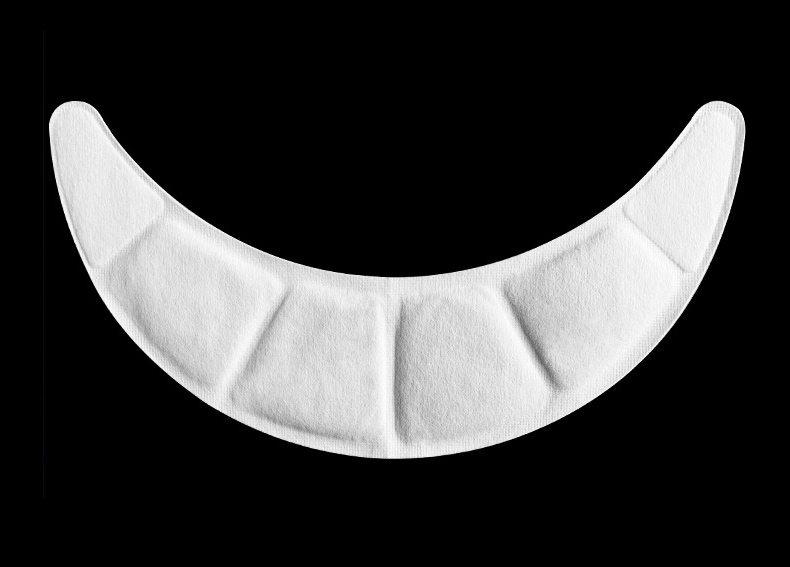
A neck heat patch works best as one part of a broader routine. Heat may make movement more comfortable, but remaining still immediately afterward can allow stiffness to return. Once the area feels warm, try gentle head turns, small chin tucks, shoulder rolls, or other movements recommended by a qualified professional. Stay within a comfortable range and avoid forcing the neck through sharp pain, dizziness, or radiating symptoms.
For desk-related tension, review the activities between heating sessions. Holding a phone below chest level, reaching forward for a keyboard, or keeping one shoulder raised can repeatedly load the same tissues. Regular movement and better positioning often provide more lasting value than adding another neck heat patch. Health guidance also encourages maintaining normal activity and using appropriate flexibility or strengthening exercises rather than relying entirely on passive treatments.
Track when the discomfort appears and how long relief lasts. If one daily session supports comfortable movement and symptoms continue to improve, using heat more often may be unnecessary. If several sessions provide only a few minutes of relief, increasing the temperature or wear time is unlikely to solve the problem. Persistent or recurring pain should be assessed so that posture, muscle weakness, joint problems, nerve irritation, and other potential causes can be considered.
For a conventional heating pad, use low or medium heat for approximately 15–20 minutes and repeat only after the skin has cooled, commonly every two to three hours when necessary. A long-wear neck heat patch follows a different schedule, so its instructions, temperature, placement, and skin response should guide use. Jiangsu Meilan Medical Devices Co., Ltd. is a self-heating patch manufacturer offering air-activated neck and shoulder formats designed for different coverage and heating duration requirements. Safe use still depends on controlled warmth, regular checks, movement, and appropriate medical attention for persistent symptoms.
A: Follow the product’s stated wear period. For short-session heating pads, 15–20 minutes every two to three hours is commonly advised when needed.
A: Daily use may be reasonable for temporary muscular stiffness if the skin remains healthy, but recurring pain requiring constant heat should be professionally assessed.
A: Gentle heat before movement may reduce stiffness. After exercise, use it for muscular tightness, but choose cold and assessment when a fresh injury causes swelling.
A: Yes, when the patch instructions permit it. Check the skin periodically, avoid pressure over the patch, and continue taking posture and movement breaks.
A: Do not sleep with an electric heating pad. For disposable patches, remove the product unless its instructions specifically confirm that overnight use is permitted.


