Views: 0 Author: Site Editor Publish Time: 2026-08-08 Origin: Site


A stiff, aching neck after screen work, travel, exercise, or cold weather often makes people reach for heat. A neck heat patch does not fix every cause of neck pain, but it can provide localized warmth that eases muscle guarding, makes gentle movement feel more comfortable, and supports short-term symptom management. The key is knowing when warmth fits the problem, how long to use it, and when heat may be the wrong choice. Below, you will learn what happens under the patch, how to use one safely, and how to select suitable neck and shoulder coverage.
Putting heat on the neck warms the skin and tissues beneath the application area. This warmth causes local blood vessels to widen, increasing superficial circulation around tense muscles. It may also reduce protective muscle tightening, which is the involuntary bracing that can make an already sore neck feel even stiffer. Heat is commonly used for muscular tightness because it can loosen tense areas, reduce spasms, and make movement feel less restricted.
Warm tissues generally feel more flexible than cold, guarded tissues. That does not mean a neck heat patch stretches muscles by itself, but it may make gentle turning, shoulder rolls, or prescribed mobility exercises more comfortable. The warming sensation can also temporarily change how strongly discomfort is perceived, allowing the user to relax rather than continually brace the neck. This is especially relevant when symptoms follow prolonged sitting, stress-related tension, or an awkward sleeping position rather than a major injury.
A self-heating patch provides dry, localized heat without an electrical cord. Air-activated formats commonly contain an iron-powder mixture that begins producing warmth after the sealed package is opened. For example, the Neck Pain Heat Patch uses a shaped, disposable format intended to sit across the neck and upper shoulder area. A wearable format can keep the heat source in position during light daily activity, although every product’s placement and wear instructions still need to be followed.
Heat should nevertheless be viewed as symptom management rather than a cure for the underlying cause. Research into dry heat wraps for non-specific neck pain suggests that heat may reduce pain and disability in some users, but the available evidence remains limited. A neck heat patch may therefore be a reasonable comfort measure, but it should not replace assessment, exercise, posture correction, or other treatment when those measures are needed.
Heat is most appropriate when the main problem feels like stiffness, aching, or muscular tension. Common examples include discomfort after desk work, tight upper trapezius muscles, stress-related shoulder elevation, and lingering soreness after an activity. In these situations, a neck heat patch may make normal movement easier and reduce the urge to keep the neck rigid. Staying reasonably active is generally preferable to prolonged bed rest for uncomplicated neck pain, provided movement does not make the symptoms substantially worse.
Situation | Heat or Cold? | Practical Reason |
|---|---|---|
Gradual stiffness after sitting | Heat often fits | Warmth may relax guarded muscles and support more comfortable movement. |
Muscle tightness without swelling | Heat often fits | The goal is to reduce stiffness rather than control acute swelling. |
New strain with visible swelling | Cold may fit first | Cold can temporarily reduce swelling and numb sudden pain. |
Ongoing post-exercise soreness | Gentle heat may help | Use heat only when there is no sign of a significant acute injury. |
Numbness, weakness, or radiating pain | Seek assessment | These symptoms may involve nerves or another condition that heat cannot diagnose. |
For a recent injury, especially one involving swelling or bruising, cold may be more suitable during the early stage. One common self-care approach is to use cold during the first 48 to 72 hours and introduce heat later, although there is no single rule that fits every neck strain. The better choice depends on the cause, the presence of swelling, and how the symptoms respond. Heat should be stopped when it increases throbbing, swelling, or pain rather than creating comfortable warmth.
A shaped Neck Hot Compress Patch may be useful when discomfort covers both sides of the lower neck and upper shoulders. Its segmented, contoured format is intended to follow this area instead of heating only one small point. Broader coverage can be helpful for general muscular tension, but it does not make the product appropriate for every type of neck pain.
Seek medical advice rather than relying on a neck heat patch when pain follows an accident or occurs with fever, unexplained weight loss, severe headache, dizziness, loss of balance, arm or leg weakness, or bowel or bladder changes. Pain that travels into an arm with numbness or tingling may indicate nerve involvement. Persistent symptoms that do not improve with self-care also deserve assessment. Heat can temporarily mask discomfort, so improvement while wearing a patch should not be treated as proof that the underlying problem is harmless.
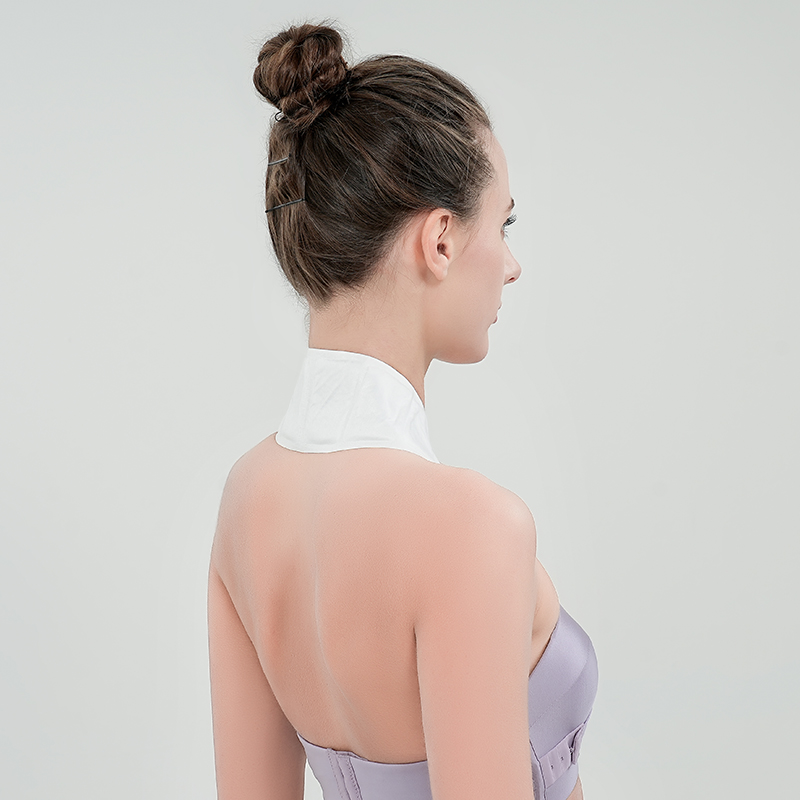
Begin by reading the instructions for the specific neck heat patch. Confirm whether it is designed to attach directly to skin, adhere to clothing, or use another method of fixation. Clean, dry skin helps an adhesive product remain stable, but lotions and perspiration may affect adhesion or increase irritation. Do not apply a disposable patch over broken skin, a rash, an infected area, or a place where topical medication has just been used unless the instructions explicitly permit that combination.
Comfortable warmth is the goal; stronger heat is not automatically more effective. Check the skin shortly after application and periodically during use, especially with a new product. Remove the neck heat patch immediately if you feel burning, sharp discomfort, intense itching, or increasing pain. Mild temporary pinkness can occur with warmth, but persistent redness, blistering, mottled skin, or unusual discoloration is a reason to stop using the product.
Do not combine the patch with an electric heating pad, hot water bottle, heated seat, or tight insulating wrap. Multiple heat sources can trap more warmth than expected and increase burn risk. Avoid leaning firmly against the heated area for long periods because pressure can intensify heat transfer. Falling asleep with a heated product may also increase risk because a sleeping person may not notice excessive heat or early skin damage.
Electric heating pads are often used in short sessions, while low-level disposable heat wraps may be designed for longer wear. That difference makes the product label more useful than applying one universal time limit to every format. Some neck and shoulder products are available with different temperature and heating-duration configurations, demonstrating why users must follow the instructions for the exact version they receive. A neck heat patch should never be worn longer simply because the warmth feels mild.
Extra caution is needed when the user has reduced skin sensation, poor circulation, fragile skin, or a condition that makes temperature difficult to judge. These users may not notice excessive heat before an injury develops. The same concern applies when medication, illness, or fatigue reduces awareness. Professional advice is appropriate when there is uncertainty about whether localized heat is safe for an individual condition.
Desk-related discomfort often builds gradually as the head moves forward, the shoulders rise, and the neck remains in one position. A portable heat patch for office workers can provide warmth without requiring access to an electrical outlet. The range of Neck Heat Patches includes formats intended to sit around the lower neck or shoulder region. Heat may improve comfort, but it should accompany practical changes such as positioning the screen near eye level, supporting the arms, relaxing the shoulders, and taking regular movement breaks.
Heat may feel helpful after training when the main symptoms are ordinary tightness and delayed muscular soreness. It can be applied before gentle mobility work or during a quiet recovery period, provided there is no obvious swelling, significant bruising, sudden loss of strength, or suspected tear. A Neck Shoulder Heat Pad uses a broad, segmented shape intended to cover more of the shoulder region than a small cervical patch. The flexible grid arrangement may help the material follow the body as the shoulders move.
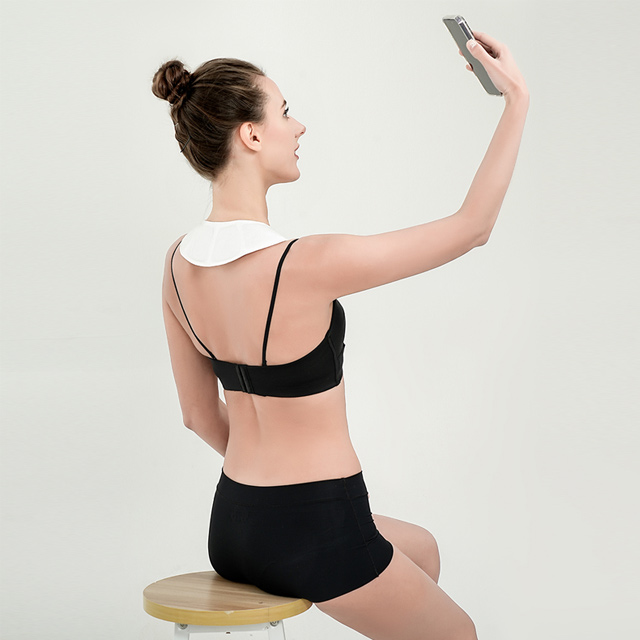
Cold conditions can make already tense muscles feel less flexible, particularly when someone hunches the shoulders against the weather. A winter shoulder warmer patch can provide localized warmth under suitable clothing without heating the entire body. It should not be used as protection against frostbite or placed on skin that is already numb from cold exposure. Users should also avoid overly tight scarves, bag straps, or backpack straps that press the active heating area firmly against the body.
Travel often combines prolonged sitting, limited movement, and poor sleeping positions. A travel heating pad for shoulder pain can improve comfort during a flight, train journey, or road trip, but it does not correct the mechanical strain created by staying still. Movement breaks, gentle shoulder retraction, and changing position remain important whenever conditions allow. Drivers should never apply or adjust a patch while operating a vehicle, and anyone who cannot turn the head safely should avoid driving until movement improves.
Coverage should match where the discomfort is located. A small thermal patch for the neck may be enough for a focused area near the upper cervical muscles, while a wider shape may suit soreness spreading across the trapezius and shoulders. The patch should lie flat without folding, pulling the skin, or interfering with normal head movement. More coverage is not necessarily better when the additional heated area is not uncomfortable.
Shape and segmentation also influence fit. Grid sections can allow a patch to bend around the neck and shoulders, while a central curve can reduce bunching at the base of the neck. The Neck Warmer Heat Pack uses a segmented design with a central section that can adapt to different placement needs. Its product information also distinguishes between placement on clothing and placement on skin, emphasizing the need to check the intended application method.
Evaluate temperature, heating consistency, and stated wear duration together rather than focusing on the highest available temperature. Low, steady warmth is generally more suitable for extended comfort than a short burst of intense heat. Packaging should remain sealed until use because air-activated materials begin reacting after exposure. A damaged, leaking, hardened, or previously opened neck heat patch should not be applied.
Adhesion and breathability matter during movement. The patch needs enough stability to remain over the intended muscles, but aggressive adhesion can irritate sensitive skin or make removal uncomfortable. Check the material description, direct-skin instructions, and any warnings about age or health conditions. For repeated use, rotate placement slightly when practical and allow irritated skin to recover before applying another patch.
Finally, judge performance by function rather than heat alone. A suitable neck heat patch should create tolerable warmth, remain positioned during the intended activity, and allow comfortable movement. It should not cause burning, numbness, increased swelling, or a need to brace the neck. If symptoms repeatedly return, heat may still provide temporary comfort, but posture, workload, exercise technique, sleep support, and clinical assessment may need greater attention.
A neck heat patch is most useful for temporary comfort when neck or shoulder discomfort feels muscular, stiff, or related to prolonged posture. Safe use depends on moderate warmth, suitable coverage, regular skin checks, and recognition of symptoms that require medical attention. Jiangsu Meilan Medical Devices Co., Ltd. is a manufacturer and supplier of contoured and segmented heat patch formats for different coverage needs. Its product range can support selection based on fit, placement, and intended activity, but a patch should remain one part of a broader approach that includes movement and appropriate assessment.
A: Air-activated patches begin warming after opening, but the exact warm-up time varies according to the design, ambient conditions, placement, and product instructions.
A: Do not sleep with a heated product unless its instructions explicitly allow overnight use, because reduced awareness can increase the risk of excessive heat and burns.
A: Cold is often preferred when a new injury includes swelling or bruising, while heat may become more useful later for lingering stiffness and muscular tightness.
A: Warmth may reduce protective muscle guarding, encourage local circulation, and make gentle movement more comfortable, although it does not treat every underlying cause of pain.
A: Follow the stated wear time and reapplication instructions, inspect your skin between uses, and stop if redness, burning, itching, or increasing discomfort develops.


