Views: 0 Author: Site Editor Publish Time: 2026-08-06 Origin: Site


A joint heat patch is a wearable source of local warmth designed to sit over or around an uncomfortable knee, elbow, wrist, or similar area. Unlike a hot-water bottle or electric pad, many disposable patches activate after their sealed package is opened and require no external power. The warmth may temporarily ease stiffness, surrounding muscle tension, and mild musculoskeletal discomfort. However, choosing the right design and knowing when not to apply heat are essential for comfortable, responsible use.
Many disposable patches use an air-activated heating mixture containing iron powder. Once the airtight package is opened, oxygen passes through the patch’s breathable outer layer and reacts with the iron. This controlled oxidation releases heat gradually rather than producing an immediate burst of high temperature. Ingredients such as activated carbon, salt, water, and vermiculite may help regulate the reaction, retain moisture, and distribute warmth through the heating area.
The patch structure is just as important as the heating mixture. Air permeability, filling weight, compartment size, surface area, and the insulating effect of clothing can all influence how quickly a joint heat patch warms and how long it remains active. Grid compartments help prevent the filling from collecting at one edge when the user bends the knee or elbow. Flexible non-woven layers also allow the patch to follow joint contours without requiring a rigid heating element.
Products within the Air-Activated Heat Patches category use iron-powder heating technology and are designed to provide portable warmth without medication or electricity. Available heat duration and temperature profiles differ between constructions, so users should follow the instructions supplied with the specific patch rather than assuming that every design performs identically.
A sealed package prevents premature exposure to oxygen during storage. For that reason, the pouch should remain closed until the joint heat patch is ready to be worn. After opening, the warming reaction may take several minutes to become noticeable. The patch should feel comfortably warm, not sharply hot, and it should be removed if the temperature becomes unpleasant.
Local heat does not eliminate arthritis, repair a ligament, or cure the underlying cause of chronic pain. Its role is mainly to change the local physical environment and reduce symptoms temporarily. Heat can dilate superficial blood vessels, increase local circulation, and improve the elasticity of connective tissues. These effects may make stiff tissue feel more flexible and help tense muscles surrounding a painful joint relax.
Warmth also stimulates temperature-sensitive receptors in the skin. Signals from these receptors interact with pain-processing pathways, which may reduce how strongly discomfort is perceived while the heat is being applied. This effect helps explain why a joint heat patch can feel soothing even though it does not remove structural joint damage. The combination of warmth, gentle contact, and reduced muscle guarding may make ordinary movements feel easier.
Clinical research supports local heat as a useful option for some musculoskeletal conditions, although results cannot be generalized to every person or every painful joint. A systematic review and meta-analysis found beneficial immediate effects from local heat applications compared with no treatment, standard treatment, medication, and placebo or sham interventions. Research on continuous low-level heat has also reported improvements in pain, stiffness, flexibility, and function in selected low-back-pain populations.
One randomized study used a low-level wrap at approximately 40°C for eight hours per day and reported greater relief for acute nonspecific low back pain than the comparison treatments in that trial. These findings illustrate the potential value of sustained, moderate warmth, but they do not prove that every knee or elbow product will produce the same result. A joint heat patch should therefore be viewed as one part of pain management rather than a substitute for diagnosis, rehabilitation, exercise, or prescribed treatment.
The Flexible Joint Heat Patches collection is shaped for areas such as knees and elbows, where a flat rectangular pad may lift or wrinkle during movement. A closer fit can improve contact with the intended area, but comfort, temperature, and skin response remain more important than tightness.
Heat is generally more suitable for stiffness, recurring aches, muscle tightness, and non-swollen discomfort than for a newly injured or visibly inflamed joint. Someone with chronic knee stiffness may use gentle warmth before walking, stretching, or a home exercise routine. An older adult with arthritis-related stiffness may find that a warm patch makes morning movement more comfortable. A runner may use a knee heat patch for residual tightness after the acute recovery period, provided there is no fresh swelling, heat, bruising, or suspected injury.
Knee coverage should extend over the uncomfortable region without restricting bending. A flower-shaped or segmented construction can conform around the kneecap and flex as the leg moves. The Flower-Shaped Joint Patch uses a four-grid, 150 × 150 mm design intended to bend around knee and elbow contours. Its product page lists different heat ranges and duration configurations, illustrating why buyers should match the thermal profile to the intended application rather than selecting by appearance alone.
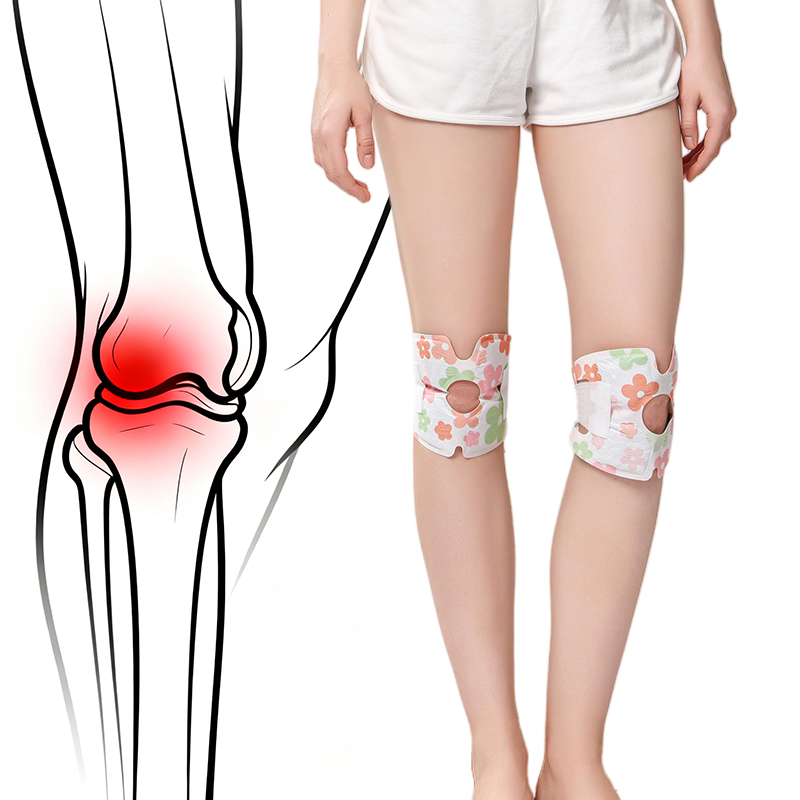
Elbow discomfort often requires a smaller or more flexible heating area because the joint bends frequently and has less flat surface space. A low-profile joint heat patch may be easier to wear at a desk, while doing household tasks, or beneath loose clothing. For muscle and joint discomfort together, the patch should cover not only the central joint but also the tense tissue immediately around it. Excessively small coverage may warm only one point without addressing surrounding muscle tightness.
Situation | Useful Design Consideration | Practical Reason |
|---|---|---|
Stiff knee at home | Broad, flexible coverage | Warms the joint and nearby muscles |
Active knee or elbow | Secure segmented shape | Reduces lifting during movement |
Small localized ache | Compact round patch | Concentrates warmth on a limited area |
Cold-weather stiffness | Low-profile wearable design | Fits more easily beneath clothing |
Gentle pre-activity warming | Comfortable moderate heat | Supports movement without excessive temperature |
Heat should complement movement rather than encourage prolonged inactivity. After the joint feels warmer, gentle range-of-motion exercises may help the user take advantage of temporarily reduced stiffness. Pain that worsens during movement, causes instability, or prevents normal weight-bearing requires assessment rather than repeated heating. A patch can improve comfort, but it cannot determine why the pain is occurring.
Coverage, fixation, temperature, and wear time should guide product selection. Adhesive designs are thin and convenient, but the adhesive must remain comfortable on moving skin. Wrap-style products use straps or elastic material to secure the heating section, which may be preferable when the wearer wants to reposition the product or avoid direct adhesive contact. The best construction is the one that stays over the intended area without slipping, folding, or compressing the joint too tightly.
An Elastic Knee Heat Wrap combines an air-activated heating section with an adjustable bandage. This format can help maintain placement during walking or daily activity, although users should ensure that the bandage does not impair circulation or create uncomfortable pressure. The manufacturer’s page identifies iron powder, activated carbon, salt, vermiculite, water, and other materials in this particular construction.
Temperature should be evaluated by comfort and intended wear conditions, not by choosing the highest available setting. A joint heat patch worn under thick winter clothing may retain more warmth than the same patch worn in an open indoor environment. Body position can also trap heat, especially when the patch is pressed between the knee and furniture. Users should not place additional heating pads, blankets, or tight compression garments over an active patch unless the instructions specifically permit it.
Smaller designs are useful when the discomfort is concentrated around a limited point rather than the entire knee. The Round Acupoint Heat Patch is a 50 mm portable design with grid construction and adhesive backing. A compact joint heat patch can fit around smaller areas, but it is less suitable when broad muscles around the knee or elbow also feel tight.
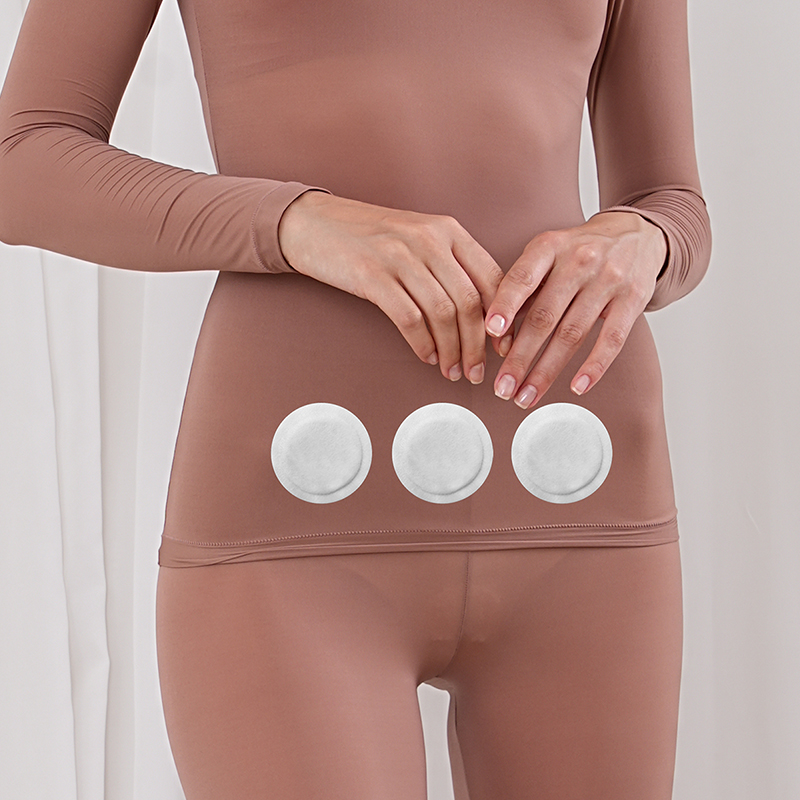
Packaging should clearly state the intended contact method, activation instructions, expected temperature, wear duration, storage conditions, and disposal method. Buyers sourcing a muscle and joint heating patch should also consider whether the shape suits the intended body area and whether the material remains stable during bending. A long duration is not automatically better if the warmth is excessive or the user cannot monitor the skin.
Read the specific instructions before opening the package because some products are designed for direct skin contact while others must be attached to clothing or used within a wrap. Begin with clean, dry skin that is free from lotions, oils, and topical pain products. Position the joint heat patch without stretching the skin, and check that it does not fold over itself. Monitor the area during use, particularly during the first application.
Remove the patch immediately if it causes burning, sharp heat, persistent itching, blistering, unusual discoloration, or increasing pain. Do not cut, puncture, microwave, or stack disposable patches. Avoid wearing one while sleeping because pressure, reduced awareness, and extended contact can increase the risk of a low-temperature burn. The skin should be checked regularly rather than assuming that mild warmth is harmless for unlimited periods.
Heat is usually inappropriate during the first 48–72 hours after a sprain, strain, impact injury, or other event involving new swelling and inflammation. Heating a fresh injury can increase local blood flow and may worsen swelling. Cold therapy and appropriate medical advice are generally more suitable during this early stage, although the correct approach depends on the injury and individual condition.
A joint heat patch should not be placed over broken, infected, irritated, or severely inflamed skin. People with reduced temperature sensation, neuropathy, poor circulation, or conditions that affect skin healing should seek professional advice before using sustained heat. Reduced sensation can prevent a person from recognizing excessive temperature before tissue damage occurs.
Medical assessment is appropriate when joint pain follows a significant injury, causes deformity or instability, prevents weight-bearing, or is accompanied by fever, severe redness, sudden swelling, numbness, or unexplained weakness. Recurring pain that requires frequent patch use also deserves evaluation. Heat may reduce symptoms temporarily, but persistent pain can reflect arthritis progression, tendon injury, nerve involvement, or another condition requiring targeted care.
A joint heat patch can provide convenient, targeted warmth for recurring stiffness, cold-weather discomfort, and muscle tension around knees or elbows. Its value depends on appropriate heat intensity, secure but comfortable placement, regular skin monitoring, and avoiding heat on fresh or inflamed injuries. Jiangsu Meilan Medical Devices Co., Ltd. is a manufacturer with documented heat-patch production lines, manufacturing processes, laboratory testing, and quality-control operations. Its different patch and wrap structures support varied coverage needs, but responsible selection and use remain essential for a comfortable experience.
A: It is a wearable warming product that delivers local heat to a knee, elbow, wrist, or nearby muscle area to temporarily ease stiffness and mild discomfort.
A: Air-activated products normally warm gradually after opening. Activation time varies with construction, airflow, ambient temperature, and clothing, so users should follow the product instructions.
A: Gentle warmth may temporarily relax surrounding muscles and make a stiff joint feel easier to move, but it does not treat or reverse the underlying arthritis.
A: Not when pain follows a fresh injury with swelling, bruising, or inflammation. Early heat may worsen swelling, so the knee should be assessed first.
A: Sleeping with sustained heat is generally discouraged because prolonged contact and pressure can cause skin irritation or burns without the wearer noticing excessive temperature.


