Views: 366 Author: Site Editor Publish Time: 2026-08-24 Origin: Site


Heat patches have become a staple in modern pain management and comfort solutions. They are commonly used to alleviate muscle and joint pain, menstrual cramps, and even for general relaxation during colder months. These patches are easy to apply and offer the convenience of heat therapy without the need for cords, batteries, or electricity. Despite their widespread use, the science behind how heat patches work often remains a mystery for many.
Understanding the underlying chemistry that powers heat patches not only enhances our appreciation for this therapeutic tool but also gives us insight into why they are so effective. The key process that makes heat patches work is iron oxidation, a chemical reaction that has been cleverly harnessed to generate heat in a controlled, safe, and effective manner.
In this article, we’ll delve into what’s inside your heat patch and explore the chemistry behind iron oxidation. We’ll look at how this simple yet powerful reaction generates heat and why it is ideal for heat therapy applications. If you're a regular user of heat patches, this will give you a deeper understanding of why they work so well and how they deliver sustained heat without any external energy source.
A heat patch typically consists of a blend of several key components, each playing a specific role in ensuring the patch’s effectiveness. Let's break down the essential ingredients that go into making a heat patch and how they contribute to the heat generation process.
Component | Role | Purpose |
Iron Powder | Reacts with oxygen | The core component that generates heat through oxidation. The iron powder reacts with oxygen when exposed to the air, triggering the chemical process that creates heat. |
Activated Carbon | Facilitates the reaction process | Activated carbon helps maintain a steady flow of oxygen to the iron powder, ensuring a consistent and long-lasting heat generation. |
Salt | Catalyzes oxidation | Salt lowers the activation energy required for the reaction to occur, effectively speeding up the process of iron oxidation. |
Vermiculite | Absorbs and distributes heat evenly | Vermiculite is a mineral compound that helps absorb and evenly distribute the heat produced across the surface of the patch. This ensures that the heat is applied consistently, without any hot spots. |
Water | Moisture activator | Water in the patch helps to activate the iron powder, making it an essential component for starting the oxidation process. Without water, the chemical reaction cannot take place. |
These materials are blended together in the form of a flexible, adhesive patch. The patch is designed to be applied directly to the skin, where it can generate heat for hours, making it an ideal solution for localized pain relief and warmth.
Iron oxidation, also known as rusting, is a chemical process that occurs when iron reacts with oxygen and moisture in the air. This reaction produces iron oxide, commonly known as rust. In a typical rusting process, iron combines with oxygen to form iron oxide, which generates heat as a by-product. This heat, while usually unwanted in the case of metal rusting outdoors, is precisely the reaction heat we want in heat patches.
In a heat patch, this reaction is controlled and finely tuned to provide therapeutic heat. When you open a heat patch, the iron powder inside is exposed to oxygen in the air. This exposure triggers the oxidation process, causing the iron to release heat as it combines with oxygen.
The iron oxidation process can be broken down into a few simple steps:
Initiation: Upon opening the heat patch, the iron powder is exposed to oxygen from the air. The moisture inside the patch also plays a critical role in activating the reaction.
Chemical Reaction: The iron powder begins to react with the oxygen in the air, resulting in the formation of iron oxide (rust). This process releases heat, which is the core purpose of the heat patch.
Heat Generation: As the oxidation process continues, heat is steadily produced. The heat produced is carefully controlled by the composition of the patch, including the amount of iron, salt, and moisture, ensuring that it remains at a comfortable and effective temperature for a prolonged period.
Sustained Heat: The heat patch is designed to regulate the reaction to maintain a consistent and comfortable temperature. Depending on the patch, this heat can last anywhere from 8 to 12 hours, providing continuous relief without any external power or recharging required.
This process of iron oxidation is what makes heat patches so effective and unique. It relies on a natural chemical reaction that provides consistent heat, ideal for managing pain, soothing sore muscles, or simply keeping warm on a cold day.
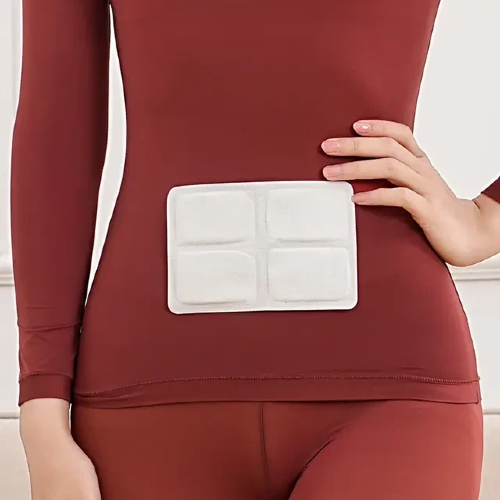
When you activate a heat patch, the oxidation process begins immediately, but it is aided by a few key factors that ensure the reaction is controlled and sustained. Here is an expanded breakdown of how the heat generation process works in a heat patch:
Opening the Patch: Once the protective seal of the heat patch is removed, the iron powder inside is exposed to air, and the moisture in the patch begins to activate the reaction. This exposure is essential to starting the chemical process.
Activation: The combination of salt and water helps the reaction proceed quickly. Salt acts as a catalyst, lowering the energy required for the oxidation process to occur, while water provides the necessary moisture for the reaction to take place.
Heat Generation: As the iron powder reacts with oxygen, heat is generated. The rate of heat production is controlled by the specific composition of the patch, which ensures that the temperature is comfortable and consistent throughout its use.
Sustained Heat: The heat is dispersed evenly across the patch, thanks to the vermiculite material. Vermiculite helps distribute the heat evenly, preventing any areas from becoming too hot, ensuring a uniform experience for the user.
Manufacturers carefully design heat patches to maintain optimal heat levels for a sustained period. This is achieved by balancing the ingredients and regulating the reaction. The amount of iron powder, salt, and moisture is precisely controlled to ensure that the heat lasts for 8 to 12 hours, which is the typical lifespan of a heat patch.
This long-lasting and controlled heat is what makes heat patches a favorite for users seeking consistent pain relief or comfort. Unlike electric heating pads that require a power source and can be bulky, heat patches offer a portable and convenient solution for on-the-go warmth and therapy.
One of the primary reasons heat patches are so popular is because they offer a chemical-free, natural solution for heat therapy. The iron oxidation process is completely natural and doesn’t rely on any artificial chemicals, making it an excellent choice for people who prefer organic, non-toxic alternatives.
By using simple, natural materials like iron powder and salt, heat patches avoid the use of synthetic chemicals that might cause irritation or discomfort. This makes them a safe and effective option for users with sensitive skin or those looking for a natural solution to their pain relief needs.
Heat patches are designed to be discreet, comfortable, and easy to use. Once applied to the skin, they stay in place and deliver heat directly to the affected area. Whether you’re dealing with muscle pain, joint stiffness, or simply need to stay warm, heat patches provide a continuous, soothing warmth that is highly effective for localized relief.
Moreover, since heat patches don’t require electricity or batteries, they are ideal for use anywhere—at home, at work, or while traveling. The portability and convenience of heat patches make them an attractive choice for those seeking on-the-go heat therapy.
The materials used in heat patches are naturally abundant, and the manufacturing process is more environmentally friendly than many other forms of heat therapy. Iron, salt, and activated carbon are all readily available and require minimal energy to process, making them ideal for eco-conscious consumers.
Manufacturers are also making strides to ensure that the production of heat patches is as sustainable as possible, focusing on reducing waste and using recyclable materials for packaging. This ensures that the environmental impact of heat patches is kept to a minimum.
Heat patches are designed for single use, but many of the materials used in their construction are recyclable. The outer packaging and certain components, such as cardboard and plastic, can be recycled according to local waste disposal guidelines. While the patches themselves may not be recyclable due to the chemical reaction that occurs inside them, the outer materials can still be processed in an environmentally friendly manner.
Iron oxidation is the key process that makes our heat patches so effective. By harnessing this simple yet powerful chemical reaction, we provide a natural, safe, and long-lasting heat source without the need for external power sources. The combination of natural ingredients like iron powder, salt, and activated carbon ensures a highly effective and eco-friendly heat therapy solution.
Whether you’re seeking relief from muscle pain, joint discomfort, or simply need to stay warm, our heat patches offer a reliable, chemical-free solution that can be used anytime, anywhere. Understanding the science behind iron oxidation not only enhances your appreciation of heat patches but also reinforces your confidence in the natural processes that drive their effectiveness.
If you’re interested in learning more about how our heat patches work or exploring how they can meet your specific needs, we invite you to contact us at Jiangsu Meilan Medical Devices Co., Ltd. Our team is always ready to provide further information and assist you with any inquiries. We look forward to helping you experience the benefits of our innovative heat therapy products.
Heat Patches generate heat through a chemical reaction known as iron oxidation, where iron powder reacts with oxygen in the air, producing heat over a period of time.
Depending on the specific Heat Patch, the heat can last between 8 to 12 hours, providing long-lasting comfort.
Yes, Heat Patches are safe when used as directed. They are designed with non-toxic materials and offer a chemical-free alternative to other heating methods.
Yes, Heat Patches come in various sizes and shapes to suit different body parts such as the back, neck, shoulders, and knees.
Heat Patches typically reach temperatures between 40°C to 60°C (104°F to 140°F), depending on the design and intended use.
Yes, Heat Patches use natural materials like iron powder and activated carbon, which have minimal environmental impact. Some brands also offer recyclable or biodegradable packaging.


