Views: 0 Author: Site Editor Publish Time: 2026-11-22 Origin: Site


You grab a pain relief product for instant muscle comfort. You peel the backing, stick it on, and wait patiently. Ten minutes pass. Absolutely nothing happens. You feel frustrated and still in pain. We understand this annoyance completely. Why do some of these products fail right out of the box? You must look at the chemical reality inside the pouch. These items do not work like plug-in electronic heating pads. Instead, they rely on a highly precise chemical reaction to function. When this natural process stalls, the product stays completely cold.
This guide provides a comprehensive, evidence-based troubleshooting checklist. We will help you determine the exact root cause of the issue. Is your product actually defective? Did you apply it incorrectly? Has invisible moisture compromised the active ingredients? You will learn exactly whether to wait longer, adjust your clothing layers, or simply throw it in the trash. Knowing these facts saves you time and ensures better pain management.
**Activation requires oxygen:** Most self-heating therapy patches rely on an iron oxidation process; sealing them under overly tight clothing can smother the reaction.
**Time to peak heat:** Genuine heat patches take 20 to 30 minutes to reach therapeutic temperatures—patience is required.
**Hardness indicates failure:** If the patch feels solid or crunchy straight out of the wrapper, moisture has already compromised it.
**Never force heat:** Microwaving or oven-heating a dud patch is a severe burn and fire hazard.
Users often expect instant, intense warmth. They assume these products act just like electronic heating pads. Correcting this expectation prevents unnecessary user frustration. An electronic pad uses a lithium battery or a wall outlet. Conversely, air-activated heat patches use an exothermic chemical reaction. This natural process generates soothing thermal energy for hours.
The mechanism of action relies on four main ingredients. You will find iron powder, activated carbon, salt, and water inside the breathable pouch. When you open the plastic wrapper, ambient oxygen enters the microporous fabric. The oxygen mixes rapidly with the iron powder. Salt and water act as powerful chemical catalysts. They speed up the rusting process significantly. Activated carbon absorbs moisture and disperses the resulting thermal energy evenly. This is simply iron oxidation in action.
Why does this scientific reality matter? Understanding this oxidation process changes how you use the product daily. The pouch must "breathe" to work properly. If you cut off its air supply, it stops working entirely. If oxygen sneaks in too early, the reaction finishes before you even open the cardboard box. This core concept guides our entire troubleshooting checklist.
Let us look at common reasons for sudden failure. Follow this troubleshooting checklist to diagnose your cold product accurately.
Micro-tears in the outer packaging ruin the product completely. These invisible tears let oxygen in during transit or warehouse storage. The oxidation reaction happens slowly while the item sits on a store shelf.
Diagnosis: Squeeze the pouch gently before opening it. Does it feel stiff, hard, or clumped together? If so, premature activation definitely occurred. The essential moisture has dried up. The iron powder oxidized months ago. You cannot revive it at all. Toss it in the trash and grab a fresh one.
Impatience often leads to perceived product failure. It takes 20 to 30 minutes for the chemical reaction to reach peak performance. Typically, therapeutic temperatures stabilize around 104°F (40°C).
Reality check: Do not rip off the adhesive after just five short minutes. Your body needs adequate time to acclimate to the slowly rising temperature. Set a timer on your phone for 30 minutes. If it remains completely cold after this waiting period, you definitely have a functional problem.
This remains a very frequent user error. You apply the adhesive backing directly to your lower back. Then, you pull on tight, non-breathable compression garments. Neoprene back braces or tight spandex pants will smother the reaction instantly.
Remember, the oxidation process requires continuous ambient air. Tight clothing blocks airflow entirely. The iron powder cannot oxidize without oxygen. Loosen your waistband or switch to breathable cotton clothing. You will often notice the warmth returning within ten minutes.
Yes, these products carry a strict expiration date. The vital salt and water mixture slowly evaporates over time. Usually, this evaporation happens over one to three years. Once the internal moisture evaporates entirely, the chemical reaction stops permanently.
Check the stamped date on the individual pouch carefully. Do not just look at the outer cardboard box. If you find a dusty box in your bathroom cabinet from five years ago, discard it immediately. Expired products simply will not activate.
Many people treat modern therapy pads like old-school pocket hand warmers. They shake, knead, and crush the pouch aggressively. This action is a huge mistake.
Modern self-heating therapy patches contain pre-mixed, evenly distributed ingredients. Shaking them violently disrupts this careful distribution. The iron powder clumps into one bottom corner. This creates annoying cold spots across the surface area. Handle them gently upon opening to maintain even heat.
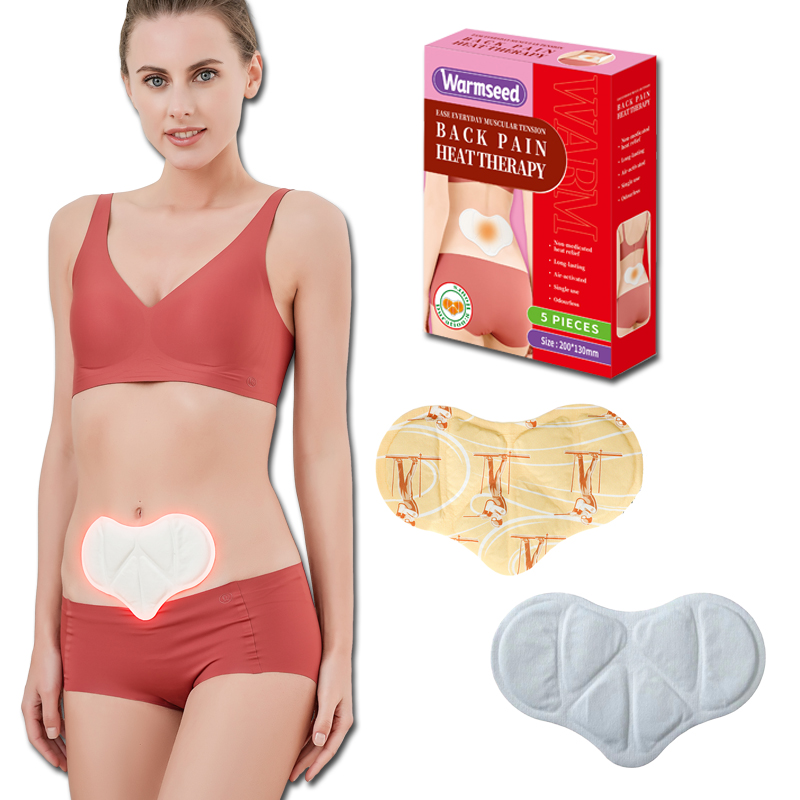
Standard Operating Procedures ensure optimal daily performance. Following a simple, repeatable routine eliminates user error as the main cause of failure. We highly recommend following these exact steps.
Step 1: Inspect the seal. Check for manufacturing defects along the crimped edges. Look out for transit damage or tiny pinhole punctures. If the wrapper looks wrinkled or compromised, discard it and grab a fresh one.
Step 2: Open only when ready. Do not open the pouch to "prep" it ahead of your morning commute. Every single minute exposed to the air drains its total heating lifespan. Tear it open right before application.
Step 3: Expose to ambient air. Peel it out of the plastic and lay it flat on a table. Let it sit unbothered for one to two minutes. This brief pause allows a burst of oxygen to jump-start the catalysts effectively.
Step 4: Apply correctly. Always read the specific brand instructions first. Some brands require application over a thin layer of clothing. Others allow direct skin contact safely. Ensure the adhesive lies completely flat. Wrinkles in the fabric restrict crucial airflow. Avoid placing heavy backpack straps or tight belts directly over the application area.
We must establish strict safety boundaries for consumers. Never compromise on safety when dealing with exothermic chemical reactions. Look out for these critical red flags before and during use.
Do not microwave: This serves as an explicit, urgent warning. Do not attempt to "jump-start" the heating process via external heat sources. Microwaves, toaster ovens, or electronic heating pads will melt the plastic backing instantly. This creates a severe skin burn and dangerous fire hazard. The concentrated iron powder can spark and ignite inside a standard microwave.
Leaking contents: Sometimes the non-woven fabric rips due to manufacturing flaws. If dark gray powder spills out, the product is severely compromised. This dark mixture contains raw iron and activated carbon. Direct skin contact poses a moderate irritation risk. It will also stain your clothing and upholstery permanently. Wash your hands with soap immediately if you touch the raw powder.
Zero heat after 45 minutes: If no noticeable temperature change occurs after nearly an hour, the product is a complete dud. Do not leave it attached to your skin hoping for a miracle. Safely discard it in your regular household trash. Leaving a dead pad on your skin traps sweat and causes mild dermatitis.
Consumers often face a frustratingly high failure rate with cheap off-brand options. You need to know exactly how to evaluate brand quality before buying bulk packs. Look for specific evaluation dimensions when shopping for a reliable heat patch.
Packaging integrity matters immensely. Look for premium brands using medical-grade, multi-layer foil pouches. Cheap, thin plastic wrap allows essential moisture to escape over time. Thick foil barriers lock in the chemical catalysts effectively for years.
Ingredient distribution separates good brands from terrible ones. High-quality options utilize specialized segmented cells. These small, stitched pockets keep the iron powder evenly distributed. This design prevents annoying clumping at the bottom of the pouch. You get consistent, even warmth across your sore back muscles.
Expiration transparency builds deep consumer trust. Trustworthy manufacturers print clear, legible expiration dates prominently. They also print unique lot numbers on every individual pouch inside the box. Avoid shady brands claiming indefinite shelf lives or hiding their expiration dates.
Quality Comparison Guide
Feature | High-Quality Brands | Low-Quality Brands |
|---|---|---|
Packaging Material | Multi-layer protective foil pouches | Thin, easily punctured transparent plastic |
Ingredient Layout | Segmented cells for even heat distribution | Single large pocket (prone to severe clumping) |
Expiration Details | Printed clearly on every individual pouch | Only printed on the disposable outer box |
Adhesive Quality | Medical-grade, residue-free hold | Weak hold, peels off easily or leaves sticky residue |
Understanding the fundamental difference between user error and actual product failure saves you daily frustration. A sudden lack of oxygen or simple impatience usually points to user error. Conversely, expired dates, hard textures, or punctured wrappers indicate a genuine product failure. Always give the natural oxidation process 30 full minutes to reach peak temperatures. Avoid wearing tight spandex clothing that smothers the chemical reaction.
If a fresh pouch fails to activate after following all steps, take immediate action. Check the lot number printed on the back of the wrapper. Contact the manufacturer directly and request a refund or replacement box. Do not settle for defective pain relief products. Use our comprehensive evaluation criteria to find better-reviewed options next time. Your sore, tired muscles deserve reliable, consistent warmth every single time.
A: No. Once the oxidation process completes or the moisture dries out, the chemical reaction is permanently finished. You cannot reverse iron oxidation. Discard the dead product and open a fresh one.
A: This is usually due to blocked airflow. The oxidation process requires continuous oxygen. Try loosening your clothing or removing tight compression bands to reintroduce oxygen. The warmth should return shortly.
A: Yes. Most expire within 1 to 3 years. The internal moisture inevitably evaporates through the microscopic pores of the packaging. Without moisture, the iron powder cannot oxidize and generate warmth.
A: Never. Cutting exposes the raw chemicals. This ruins the product instantly. Spilled iron and carbon powder risk severe skin burns, irritation, and permanent clothing stains. Always buy the correct size for your needs.


