Views: 0 Author: Site Editor Publish Time: 2026-11-27 Origin: Site


Reaching for a thermal therapy product during a severe pain flare-up only to find a cold, lifeless pad is incredibly frustrating. We often face the exact same letdown during freezing outdoor expeditions. This failure is rarely a manufacturing defect. It usually stems from a highly preventable supply management issue.
Buyers routinely stockpile these thermal products without fully grasping the chemical vulnerabilities inside them. Every heat patch relies on delicate iron-oxidation technology. This technology requires specific environmental controls to remain viable. When you ignore these controls, you compromise clinical efficacy and waste your entire investment.
Your daily pain relief depends directly on proper storage habits. This guide outlines how you can properly audit, store, and verify the shelf-life of these essential items. You will learn to identify expired units quickly and protect your inventory effectively. We ensure maximum reliability exactly when you need it most.
Unopened heat patches must be stored in cool, dry environments away from direct sunlight to prevent premature oxidation and adhesive degradation.
Air-activated therapy patches rely on precise moisture content; punctured or compromised packaging renders them completely ineffective.
Expiry dates on disposable heat patches represent the timeline for peak thermal performance, not necessarily a safety risk, though expired patches suffer severe temperature drops.
Auditing your inventory requires checking lot numbers, inspecting outer seals for micro-punctures, and running a single-unit thermal test for older batches.
Most air-activated therapy patches operate on a brilliantly simple chemical foundation. We call this the oxidation mechanism. The pouch contains a precise mixture of iron powder, activated carbon, salt, and water. Exposing this mixture to ambient oxygen triggers an immediate exothermic reaction. Iron naturally rusts when exposed to oxygen. The salt acts as a powerful chemical catalyst. It dramatically accelerates this natural rusting process. Activated carbon rapidly disperses the resulting heat across the entire surface area. This carefully balanced reaction produces steady, therapeutic warmth for hours. Therapeutic warmth dilates local blood vessels. It speeds up oxygen delivery to damaged tissues. This biological benefit vanishes entirely if the internal chemical formulation fails.
Moisture volatility represents a massive vulnerability for these products. Factory technicians calibrate the internal moisture level precisely during production. Excess external heat degrades the protective packaging barrier. High humidity causes similar barrier failures over time. A degraded barrier allows the crucial internal moisture to evaporate completely. Without water, the chemical reaction cannot proceed. This evaporation results in completely inert, useless products. You essentially open a bag of dry, dead sand.
Adhesive breakdown introduces a secondary, equally frustrating failure point. High-quality pads utilize specialized medical-grade adhesives. Improper storage conditions destroy these sensitive adhesives quickly. Excessive heat melts the sticky layer inside the wrapper. Extreme cold dries it out permanently. The heating mechanism might survive bad storage. However, you cannot wear the product if the adhesive fails. A non-sticking pad renders the entire therapy session impossible.
Establishing a strict temperature baseline protects your investment. The ideal storage range typically sits between 50°F and 75°F. This equals 10°C to 24°C. You must actively avoid extreme environments. Never leave supplies inside a car trunk. Trunks experience severe temperature spikes during summer afternoons. Uninsulated garages pose similar threats during winter freezes. Direct proximity to radiators destroys packaging integrity within weeks. Space heaters melt adhesive layers silently.
Humidity control demands equal attention. Dry storage is an absolute necessity. High ambient humidity constantly assaults the outer wrapper. Moisture slowly penetrates micro-fissures in lower-quality packaging. This moisture penetration triggers a slow, undetectable chemical activation. The product essentially burns out while sitting on the shelf. You will notice nothing wrong until you tear open the wrapper. Clinical facilities should invest in climate-controlled supply cabinets. Home users should designate a specific dry closet inside the main house. Keep a small digital hygrometer on the shelf. Monitor the ambient humidity easily. Run a standard dehumidifier during muggy summer months.
Physical protection ensures optimal airflow later. Heavy stacking creates dangerous downward pressure. This pressure firmly compresses the internal powder mixture.
Placing heavy medical equipment on top of soft supply boxes ruins them.
Cramming too many individual units into a tightly packed first-aid bag causes damage.
Storing large bulk cases upside down against manufacturer recommendations creates uneven pressure.
Compressed powder fundamentally alters internal airflow dynamics. Air must circulate evenly once you open the seal. Compacted powder prevents this essential circulation. It creates isolated hot spots and completely cold zones across the pad.
Condition Factor | Ideal Environment | Harmful Environment | Impact on Product |
|---|---|---|---|
Temperature | 50°F to 75°F (Climate-controlled) | Car trunks, near radiators | Melts adhesives, accelerates degradation |
Humidity | Below 50% relative humidity | Damp basements, bathrooms | Causes micro-fissure penetration and silent activation |
Physical Load | Single-stacked, loose shelves | Bottom of heavy supply crates | Compresses powder, ruins airflow dynamics |
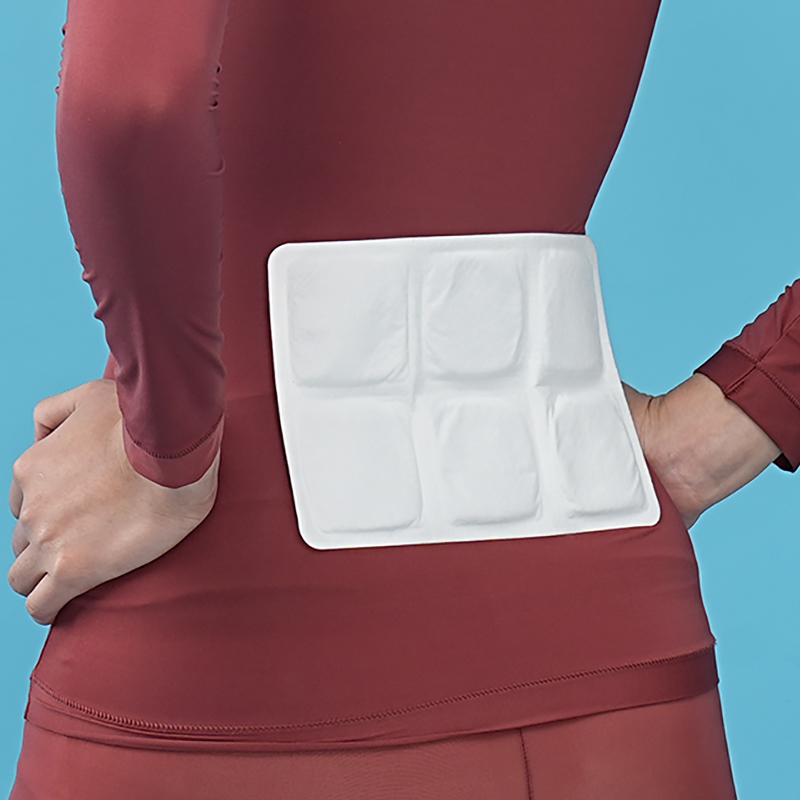
Decoding packaging labels requires a keen eye. Look closely at the crimped edges of the foil wrapper. Check the flat surfaces of paper blends. Manufacturers print standard expiration formats here. You will typically see "EXP" or "Best By" printed clearly. Some global brands utilize a small hourglass symbol instead. Do not confuse expiration dates for manufacturing dates. The letters "MFG" indicate the exact day of production. Checking labels on disposable heat patches prevents unwelcome surprises during emergencies. Some industrial manufacturers rely on Julian date codes instead of standard calendars. A code reading '23145' means the 145th day of the year 2023. You might need a quick reference chart to decode these efficiently.
Understanding shelf life norms helps you manage expectations. The industry standard shelf life spans two to four years from the manufacturing date. This timeline depends heavily on barrier film quality. Thicker foil blocks environmental factors beautifully. Cheaper wrappers allow slow degradation. Unopened units degrade regardless of storage over time. However, poor storage accelerates the clock dramatically.
Batch and lot numbers offer vital traceability. Clinical facilities and high-volume buyers monitor these numbers constantly. Lot numbers allow you to trace specific manufacturing conditions. A specific batch might underperform consistently across multiple patients. You can instantly report this lot number to the manufacturer. This simple action initiates a targeted recall status. You protect other consumers by reporting defective batches quickly.
Objective thermal degradation metrics answer this question clearly. The chemical reaction fundamentally changes post-expiry. An expired unit will likely take three times longer to heat up. It will completely fail to reach its advertised peak temperature. It might stop climbing at 90°F instead of hitting the required 110°F. Furthermore, it will lose heat rapidly. A promised eight-hour therapy session might last barely two hours.
Safety considerations often confuse buyers. Expired patches are rarely dangerous to handle. The core ingredients remain chemically inert. They do not turn toxic over time. However, they pose a serious risk of ineffective treatment. Pain management requires sustained, predictable warmth. Cold-weather survival depends entirely on reliable thermal output. A weak, expired pad leaves you vulnerable to hypothermia in harsh climates.
The clumping test provides an immediate tactile evaluation method. You must physically inspect older heat patches before heading outdoors. Squeeze the unopened packet gently between your fingers. It should feel like loose, shifting granular powder. Imagine a small bean bag filled with fine sand. Sometimes it feels like a solid, unyielding hard brick. A hard brick indicates severe moisture loss. The essential water has escaped the pouch entirely. The internal elements have oxidized and fused together. This physical state means the patch is entirely dead. Imagine pressing a cold, hard stone against a stiff neck. This is exactly what a dead patch feels like. Throw it away immediately.
Implement a mandatory six-month inventory check. We highly recommend a strict biannual audit of all first-aid kits. Empty your primary supply closets completely onto a table. Segregate all stock strictly by the printed expiry date. You must use a First-In, First-Out (FIFO) methodology. Move older units to the very front of the shelf. Push freshly purchased boxes to the back. This simple rotation prevents massive piles of expired products.
Testing suspect batches saves you from future frustration. You will often find questionable boxes during your audit. Some units might sit just weeks away from expiry. Advise your team to open one single unit from this batch. Test the activation time meticulously. Measure the peak heat manually if possible. Discard the entire batch if this test unit fails. Keeping unreliable stock creates dangerous false confidence during emergencies. Dispose of the opened test unit properly. Do not leave activated pads near flammable materials. Let the test unit cool down completely before throwing it in the bin.
Procurement considerations dictate your long-term success. Advise buyers to evaluate brands critically when repurchasing supplies. Focus heavily on packaging integrity. Thicker foil-lined wrappers always outperform cheap paper-plastic blends. Demand clear, standardized expiry labeling from your vendors.
Verify the thickness of the outer wrapper foil physically.
Confirm the presence of distinct, readable lot numbers.
Ensure the expiration date is printed indelibly on the edge.
Request manufacturing environmental data for large bulk orders.
Proper storage stands as the only effective way to protect your bulk purchases. You secure your therapy reliability through careful environmental control. Ignoring these controls ruins the chemical integrity of your supplies. You must maintain cool, dry spaces free from heavy physical compression. We encourage you to audit your current supply closets today. Implement the FIFO rotation method immediately. Throw away any compromised or clumped units right now. Restock your shelves with reputable brands exclusively. Choose manufacturers utilizing robust, climate-resistant packaging. You will guarantee reliable, soothing pain relief exactly when your body needs it most.
A: No. Extreme cold heavily damages the internal chemical formulation. It also destroys the medical-grade adhesive backing permanently. Condensation forms immediately upon removal from the freezer. This sudden external moisture ruins the outer packaging and completely compromises the activation sequence.
A: Discard it or use it immediately. Even a microscopic pinhole introduces ambient oxygen. This oxygen initiates a very slow chemical reaction. The pad will inevitably ruin itself within a few days. You cannot reseal the puncture effectively with tape.
A: Generally, no. The primary ingredients are iron, carbon, salt, and water. These are non-toxic and earth-friendly materials. They remain perfectly safe for standard household trash disposal. Always check your local municipal regulations before dumping massive bulk quantities.
A: The product was likely subjected to improper storage during supply chain transit. Extreme warehouse heat easily destroys internal moisture. Vacuum seal failures during shipping also cause premature activation. If it is well within its expiry date, bad logistics ruined the batch.


